In today’s environmentally conscious world, the quest for sustainability permeates every aspect of our lives. From renewable energy to recycling, individuals and businesses alike are seeking eco-friendly alternatives to reduce their carbon footprint. One such innovation making waves in the construction industry is eco-friendly spray foam insulation.
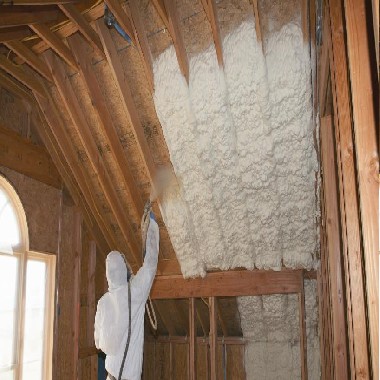
Spray foam insulation has long been valued for its ability to seal gaps and cracks effectively, providing superior thermal insulation and energy efficiency. However, traditional spray foams often contain harmful chemicals known as volatile organic compounds (VOCs), which can contribute to air pollution and have adverse health effects.
Enter eco-friendly spray foam insulation – a game-changer in the quest for sustainable building solutions. Unlike its conventional counterparts, eco-friendly spray foam is formulated using renewable and biodegradable materials, significantly reducing its environmental impact. These materials may include soybean oil, recycled plastics, and water-blown agents, among others.
One of the most notable advantages of eco-friendly spray foam insulation is its superior performance in energy efficiency. By creating an airtight seal, it minimizes heat transfer, resulting in lower energy consumption for heating and cooling. This not only reduces utility bills but also decreases reliance on fossil fuels, thus mitigating greenhouse gas emissions.
Moreover, eco-friendly spray foam insulation boasts excellent durability and longevity, ensuring that buildings remain efficiently insulated for years to come. This longevity translates to reduced maintenance costs and less frequent replacement, further enhancing its eco-friendly credentials.
Another compelling aspect of eco-friendly spray foam insulation is its contribution to indoor air quality. By eliminating harmful VOCs, it creates a healthier living and working environment for occupants. This is particularly beneficial for individuals with respiratory conditions or sensitivities, as well as for overall occupant comfort and well-being.
Furthermore, the installation process of eco-friendly spray foam insulation is relatively straightforward, requiring minimal disruption to ongoing activities. Certified professionals can apply the foam quickly and efficiently, ensuring optimal coverage and performance.
From residential homes to commercial buildings, the adoption of eco-friendly spray foam insulation is gaining momentum across various sectors. Builders, architects, and homeowners alike are recognizing its dual benefits of environmental sustainability and energy efficiency.
In conclusion, eco-friendly spray foam insulation represents a significant step towards achieving greener and more sustainable buildings. By prioritizing renewable materials, energy efficiency, and indoor air quality, it addresses the growing demand for environmentally responsible construction practices. As we continue to embrace innovation in the pursuit of a healthier planet, eco-friendly spray foam insulation stands out as a beacon of sustainable progress in the construction industry.